

A properly functioning air conditioning system is essential for comfortable driving, especially during hot summer months. If your car’s AC is not blowing cold air or making strange noises, it’s time to consider car AC repair. Ignoring AC problems can lead to discomfort, reduced driving enjoyment, and even further mechanical issues.
Whether you need a quick recharge, leak repair, or a full AC system overhaul, knowing how car AC repair works and what to expect can save you time and money. This guide will help you understand common AC problems, repair services, costs, and tips for maintaining your system.
What Is Car AC Repair?
Car AC repair involves diagnosing and fixing issues with your vehicle’s air conditioning system to ensure it cools efficiently. Car AC systems are complex, comprising various components such as the compressor, condenser, evaporator, expansion valve, hoses, and refrigerant.
Professional car AC repair services may include:
- Refrigerant recharge
- Leak detection and repair
- Compressor repair or replacement
- Condenser and evaporator replacement
- AC hose and belt repairs
- Electrical system diagnostics
A properly serviced AC system ensures your vehicle remains comfortable in all weather conditions.
Common Signs Your Car Needs AC Repair
It’s important to recognize the warning signs that indicate a problem with your car AC:
- Weak airflow: The air coming from vents is not as strong as usual.
- Warm air: AC blows warm or hot air instead of cold air.
- Unusual noises: Grinding, squealing, or hissing sounds when the AC is on.
- Bad odor: Musty or moldy smell from AC vents.
- Leaks: Refrigerant or water leaking under the car.
- AC compressor issues: Clutch not engaging or compressor failing to start.
Addressing these issues early can prevent a complete AC system failure and more expensive repairs.
Common Car AC Problems
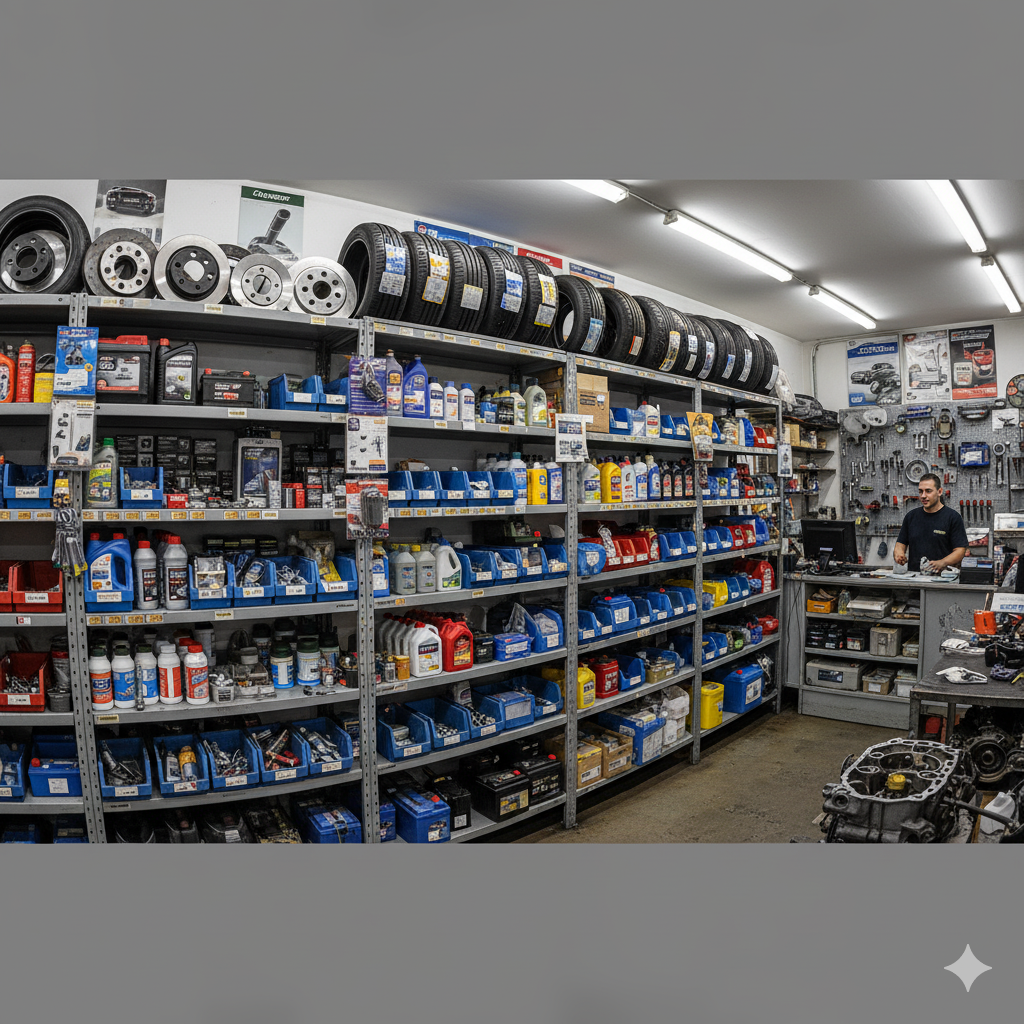
Understanding typical AC problems can help you explain the issue to your mechanic and get faster service:
1. Low Refrigerant Levels
Refrigerant is responsible for cooling your vehicle. Low levels due to leaks reduce the AC’s efficiency.
2. Refrigerant Leaks
Leaks are common and can occur in hoses, the compressor, condenser, or evaporator. Leak detection and proper sealing are crucial during car AC repair.
3. Faulty Compressor
The AC compressor circulates refrigerant through the system. A failing compressor may cause no cold air or unusual noises.
4. Electrical Issues
Blown fuses, damaged wiring, or faulty AC switches can prevent the system from operating.
5. Clogged Condenser or Evaporator
Dirt, debris, or mold can block airflow, reducing cooling efficiency and causing unpleasant odors.
How Car AC Repair Works
Professional car AC repair involves several steps:
- Diagnosis: Technicians inspect the AC system and use diagnostic tools to identify problems.
- Leak Detection: Leaks are located using UV dye, electronic sensors, or pressure testing.
- Component Repair or Replacement: Worn or damaged parts like compressors, hoses, or condensers are replaced.
- Refrigerant Recharge: The system is refilled with the correct type and amount of refrigerant.
- System Testing: After repairs, the AC is tested for airflow, cooling efficiency, and noise.
Following this process ensures your AC system functions correctly and prevents future issues.
Cost of Car AC Repair
The cost of car AC repair depends on the problem and the type of vehicle:
- AC recharge: $100–$200
- Compressor replacement: $400–$1,000
- Condenser replacement: $300–$700
- Evaporator replacement: $500–$1,200
- Leak repair: $150–$500
Always request a written estimate before authorizing repairs to avoid surprises.
DIY Car AC Maintenance Tips
Regular maintenance can reduce the need for frequent AC repair:
- Run AC regularly: Helps keep seals lubricated and prevent leaks.
- Clean air filters: Dirty filters reduce airflow and cooling efficiency.
- Check refrigerant levels: Ensure the system is properly charged.
- Inspect belts and hoses: Look for cracks, leaks, or wear.
- Keep condenser clean: Remove debris from the front grille area to improve airflow.
While some tasks can be done at home, major repairs should always be handled by professionals.
Choosing the Right Car AC Repair Shop
Selecting a reliable AC repair shop ensures quality work and long-lasting results:
- Check reviews: Look for consistent positive feedback from customers.
- Verify certifications: ASE-certified technicians have proper training.
- Request estimates: Transparent pricing helps avoid unexpected costs.
- Ask about warranties: Reputable shops offer warranties on parts and labor.
- Experience with your vehicle type: Some vehicles require specialized knowledge for AC systems.
Benefits of Timely Car AC Repair
Getting timely car AC repair has several advantages:
- Restores comfortable cabin temperatures
- Prevents further damage to the AC system
- Improves fuel efficiency (a clogged or overworked AC reduces efficiency)
- Extends the life of AC components
- Reduces unpleasant odors and mold growth
Final Thoughts
Proper car AC repair is essential for comfortable driving and protecting your vehicle from further mechanical problems. Whether you need a simple refrigerant recharge or a full compressor replacement, addressing AC issues early saves money and ensures you stay cool on the road.
Regular maintenance, timely repair, and choosing a trusted AC repair shop are key to keeping your car’s air conditioning system in top shape. Don’t wait for the next hot day—schedule your car AC repair today and enjoy a reliable, comfortable driving experience.
If you have any questions, you can ask our mechanics on a live chat here or download our mobile app from Apple AppStore and Google Playstore. You can also download our G-OBD AI Diagnostics App on Playstore here.