

Proper car maintenance is the key to keeping your vehicle running smoothly, safely, and efficiently for years. Whether you drive daily for work, business, or family errands, regular car maintenance prevents costly repairs and unexpected breakdowns.
Many vehicle owners wait until something goes wrong before visiting a mechanic. However, consistent car maintenance reduces long-term expenses and protects your investment.
In this comprehensive guide, you’ll learn what auto maintenance includes, why it matters, essential maintenance tasks, common mistakes to avoid, and how to create a practical maintenance schedule.
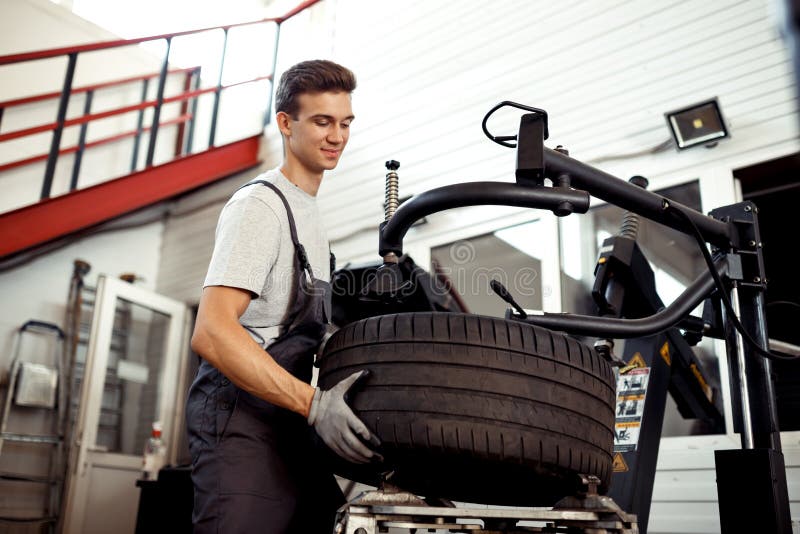
What Is Car Maintenance?
Car maintenance refers to routine inspections, servicing, and preventive care performed to keep a vehicle in optimal condition. Unlike major repairs, auto maintenance focuses on preventing problems before they become serious.
Car maintenance typically includes:
- Oil changes
- Brake inspections
- Tire rotations
- Fluid checks and replacements
- Battery testing
- Engine diagnostics
- Filter replacements
Regular auto maintenance ensures your vehicle operates safely and efficiently.
Why Car Maintenance Is Important
Ignoring auto maintenance can lead to expensive repairs and safety risks. Here’s why regular maintenance matters:
1. Improves Safety
Worn brakes, low tire pressure, or engine problems increase accident risk. Auto maintenance ensures all systems function correctly.
2. Saves Money
Preventive auto maintenance costs far less than emergency repairs like engine or transmission replacements.
3. Extends Vehicle Lifespan
Well-maintained vehicles last significantly longer than neglected ones.
4. Improves Fuel Efficiency
Properly inflated tires and clean engine components reduce fuel consumption.
5. Protects Resale Value
A documented auto maintenance history increases buyer confidence and resale price.
Essential Car Maintenance Tasks
Let’s break down the most important car maintenance services every vehicle owner should follow.
1. Regular Oil Changes
Oil lubricates engine components and prevents overheating. Over time, oil becomes dirty and less effective.
Most vehicles require oil changes every:
- 3,000 to 5,000 miles (conventional oil)
- 7,500 to 10,000 miles (synthetic oil)
Skipping oil changes is one of the fastest ways to damage your engine.
2. Brake Inspection and Service
Brakes are critical for safe driving. Auto maintenance should include:
- Checking brake pads
- Inspecting rotors
- Testing brake fluid levels
If you hear squeaking or grinding, schedule service immediately.
3. Tire Maintenance
Proper tire care improves handling and fuel efficiency.
Auto maintenance for tires includes:
- Checking tire pressure monthly
- Rotating tires every 5,000–8,000 miles
- Inspecting tread depth
- Performing wheel alignment
Uneven tire wear may indicate suspension or alignment issues.
4. Fluid Checks and Replacement
Your vehicle relies on several fluids:
- Engine oil
- Coolant
- Brake fluid
- Transmission fluid
- Power steering fluid
- Windshield washer fluid
Routine auto maintenance ensures these fluids are clean and at proper levels.
5. Battery Inspection
A weak battery can leave you stranded unexpectedly.
Car maintenance should include:
- Testing battery charge
- Cleaning corrosion from terminals
- Replacing the battery every 3–5 years
Warning signs include slow engine cranking or dim headlights.
6. Air Filter Replacement
A clogged air filter reduces engine performance and fuel efficiency.
Most manufacturers recommend replacing the air filter every 12,000 to 15,000 miles.
7. Spark Plug Replacement
Spark plugs ignite fuel in the engine. Worn plugs cause:
- Rough idling
- Engine misfires
- Poor fuel economy
Spark plug replacement is a vital part of long-term car maintenance.
Signs Your Car Needs Maintenance
Do not ignore these warning signs:
- Check engine light
- Unusual engine noises
- Vibrations while driving
- Reduced fuel efficiency
- Difficulty starting
- Fluid leaks
Addressing these early prevents major breakdowns.
Creating a Car Maintenance Schedule
A structured auto maintenance plan makes vehicle ownership easier.
Monthly Checks
- Tire pressure
- Fluid levels
- Lights and signals
Every 3–6 Months
- Oil change
- Tire rotation
- Brake inspection
Annually
- Battery testing
- Comprehensive inspection
- Air filter replacement
Always consult your vehicle’s owner manual for manufacturer-specific recommendations.
Benefits of Preventive Car Maintenance
Preventive car maintenance offers long-term advantages:
- Fewer emergency repairs
- Lower overall repair costs
- Improved vehicle reliability
- Better fuel economy
- Increased road safety
Consistent maintenance is cheaper than fixing major mechanical failures.
Common Car Maintenance Mistakes to Avoid
Avoid these costly errors:
- Ignoring dashboard warning lights
- Skipping oil changes
- Delaying brake repairs
- Overlooking tire maintenance
- Using low-quality replacement parts
- Failing to keep maintenance records
Small neglect today often becomes expensive tomorrow.
DIY vs Professional Car Maintenance
Some car maintenance tasks can be done at home:
- Checking tire pressure
- Replacing wiper blades
- Adding windshield washer fluid
However, more complex services like engine diagnostics, brake repairs, and transmission service should be handled by professionals.
Certified technicians have proper tools and training to perform safe and accurate repairs.
How Car Maintenance Saves You Money Long-Term
Many drivers think skipping service saves money. In reality:
- A low-cost oil change prevents a high-cost engine rebuild.
- Routine brake service prevents rotor damage.
- Regular tire rotations prevent premature tire replacement.
Auto maintenance is a financial strategy, not just a service requirement.
Final Thoughts
Consistent auto maintenance is the foundation of vehicle safety, performance, and longevity. From oil changes and brake inspections to tire care and battery checks, routine service protects your investment and ensures reliable transportation.
Taking a proactive approach to auto maintenance saves money, reduces stress, and keeps you safe on the road. Instead of waiting for problems to appear, follow a structured maintenance schedule and address small issues before they turn into major repairs.
A well-maintained car doesn’t just run better it gives you confidence every time you drive.